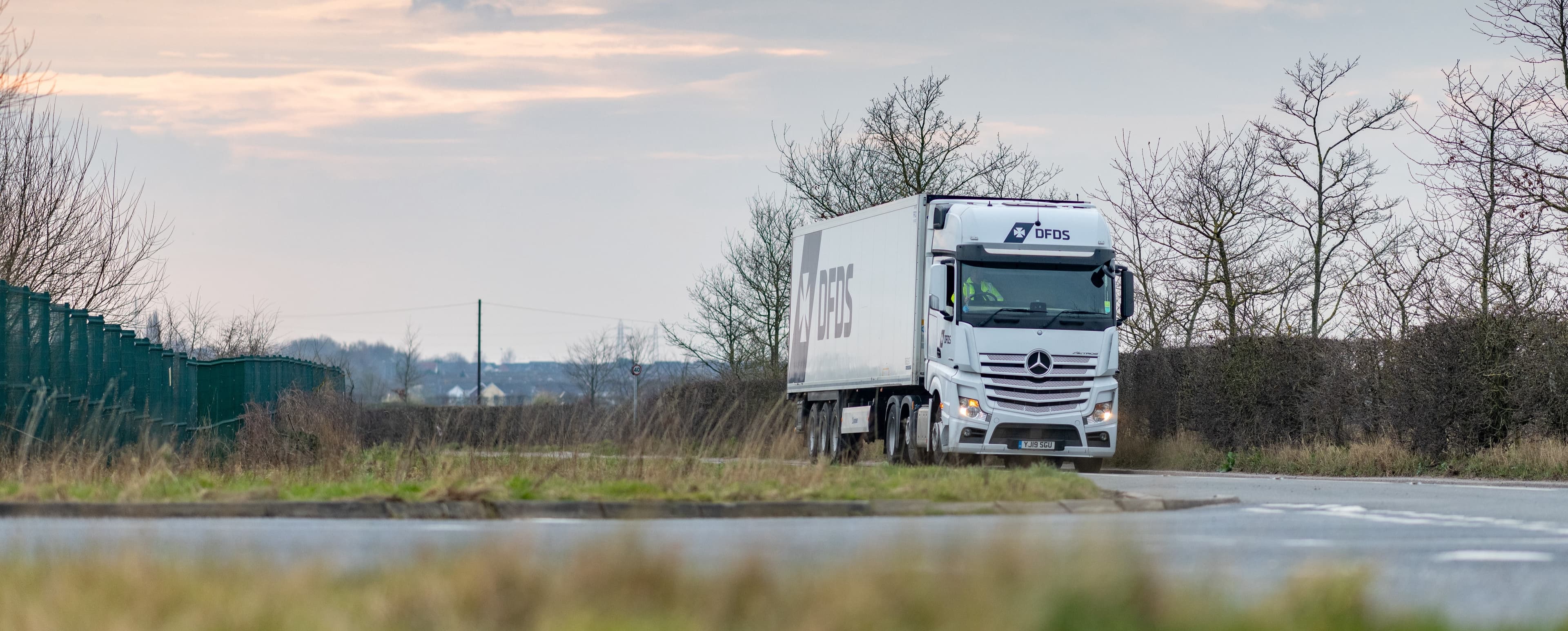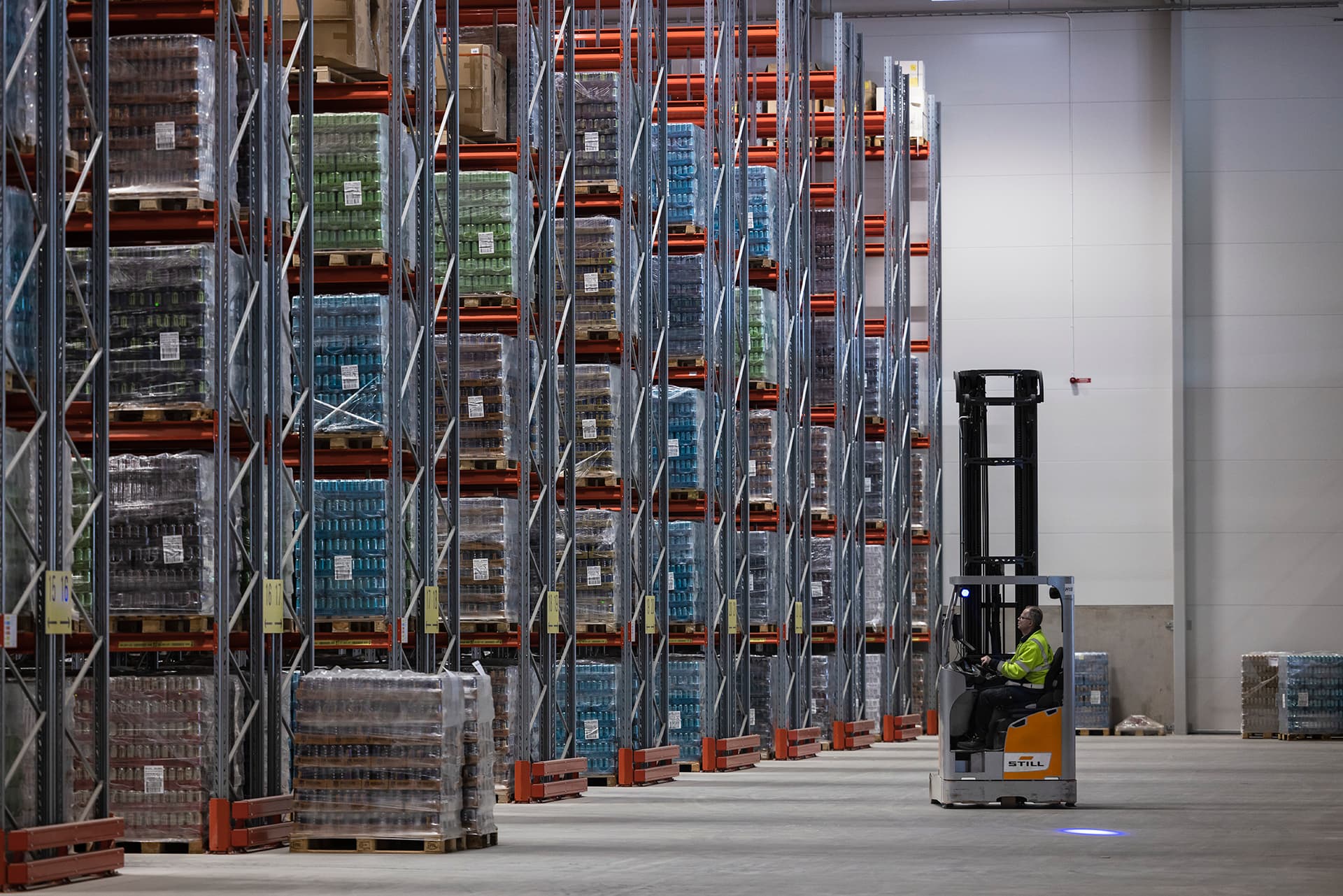
Automotive businesses face increasing pressure to reduce the environmental impact of their operations. Customers expect progress, regulators are raising requirements, and sustainability criteria are becoming a standard part of logistics tenders. For procurement teams and supply chain leaders, the challenge is no longer deciding whether to act. It is understanding how to make meaningful reductions without compromising service, cost control, or operational reliability.
A successful automotive logistics sustainability strategy is not built on ambitious promises alone. It is built on measurable actions that deliver results today while creating a foundation for future improvements. The organisations making the strongest progress are often those that focus on practical changes, transparent reporting, and continuous improvement rather than searching for a single solution. At DFDS we can help your business reduce the environmental impact of your operations without compromising service or cost control. Let's dive in and see what are the steps you need to take.
Start with data and focus on measurable reductions
Reducing emissions begins with understanding where they come from. Without accurate data, it is difficult to identify opportunities for improvement or demonstrate progress to stakeholders. This is why emissions measurement has become such an important part of transport planning and procurement.
Once a clear baseline has been established, businesses can evaluate where meaningful reductions are possible. In many cases, improvements come from optimising existing operations rather than redesigning the entire supply chain. Better route planning, improved asset utilisation, and closer collaboration across logistics networks can all contribute to lower emissions while maintaining the performance standards the automotive industry depends on.
Transparency is equally important. Procurement teams increasingly need evidence that environmental claims can be verified. Reliable reporting helps businesses monitor progress, support customer requirements, and compare suppliers against consistent criteria. Clear documentation builds confidence that reductions are real and measurable rather than theoretical.
Build efficiency into the transport network
One of the most effective ways to lower emissions is to look at how freight moves through the network as a whole. Supply chains often evolve over time, creating inefficiencies that increase both costs and environmental impact. Reviewing transport flows regularly can uncover opportunities to improve performance while reducing emissions.
For many organisations, multimodal automotive logistics offers an effective path forward. By combining transport modes within a connected network, businesses can often achieve a better balance between operational requirements and environmental goals. The right approach depends on factors such as lead times, production schedules, and customer expectations, but a more flexible transport model frequently creates additional opportunities for improvement.
Businesses exploring low emission automotive logistics solutions should also recognise that progress rarely comes from a single initiative. Sustainable improvements are usually achieved through a combination of smarter planning, efficient network design, and strong operational execution. Incremental gains may seem modest individually, but together they can deliver significant results over time.
As companies evaluate their options, it is important to remain realistic about what is available today. Some technologies are already helping to reduce emissions, while others are still developing. Organisations that take a practical approach can start making progress now while remaining well positioned to adopt new solutions as they mature.
Partner with organisations that prioritise transparency
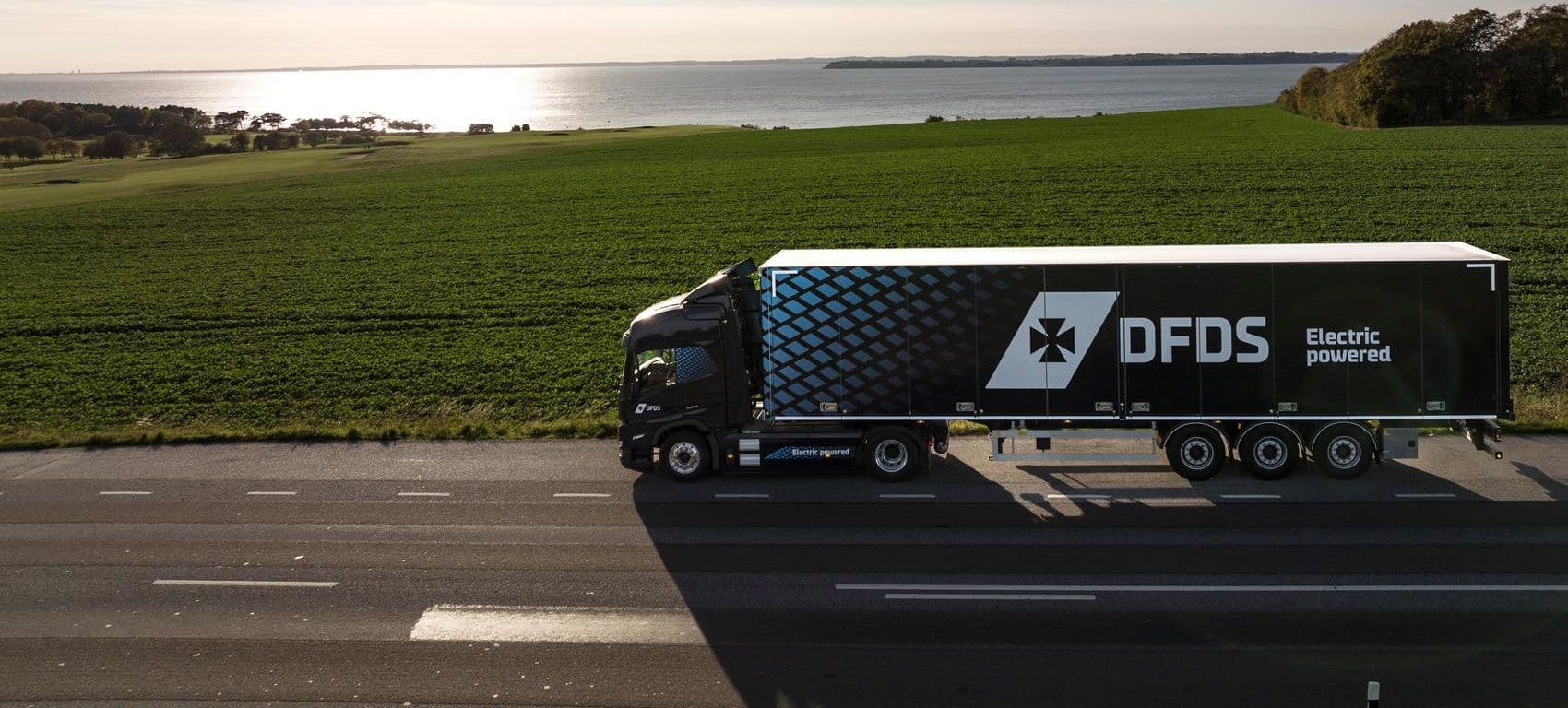
As sustainability becomes a bigger factor in tender evaluations, logistics providers are facing greater scrutiny. Procurement teams need to compare partners fairly and understand how environmental performance is measured. This requires more than broad commitments. It requires openness, evidence, and clear methodologies.
The discussion around automotive decarbonisation logistics is becoming increasingly sophisticated. Many businesses now look beyond headline targets and focus on how reductions are achieved, reported, and verified. Providers that are transparent about both opportunities and limitations often build stronger trust because they help customers make informed decisions.
At the same time, efforts to reduce automotive transport emissions must be balanced with the need for resilient operations. Automotive supply chains rely on reliability and predictability. Any environmental initiative must support business continuity rather than create new risks. The strongest long-term strategies are those that improve sustainability while preserving service quality and supply chain performance.
At DFDS, we believe progress should be practical, measurable, and honest. We work with customers to identify achievable opportunities for emissions reduction while maintaining the reliability their operations require. Through our integrated European network and transparent reporting approach, we help businesses make informed decisions and track progress with confidence.
Building a more sustainable automotive supply chain is not about finding perfect solutions overnight. It is about taking credible steps forward, measuring the impact, and partnering with organisations that value transparency as much as progress. As environmental performance becomes a bigger factor in automotive logistics decisions, that approach creates lasting value for both businesses and the wider industry.